On barely two square kilometers, Monaco is transforming its transport network to prioritize walking, cycling, quiet buses, and shared mobility. The goal? Reduce car traffic, streamline travel, and offer a more breathable living environment.
Recent developments demonstrate this commitment: a newly inaugurated bike lane between Fontvieille and Port Hercule, bus lanes now open to bicycles and scooters, and the growth of shared bike services.
This strategy aligns with the clear objective of the Princely Government: “to make eco-mobility more prominent in the Principality.” (Monaco Tribune)
For visitors and residents alike, this translates into calmer traffic, cleaner air, and a sense of a “breathing city,” even in the heart of downtown.
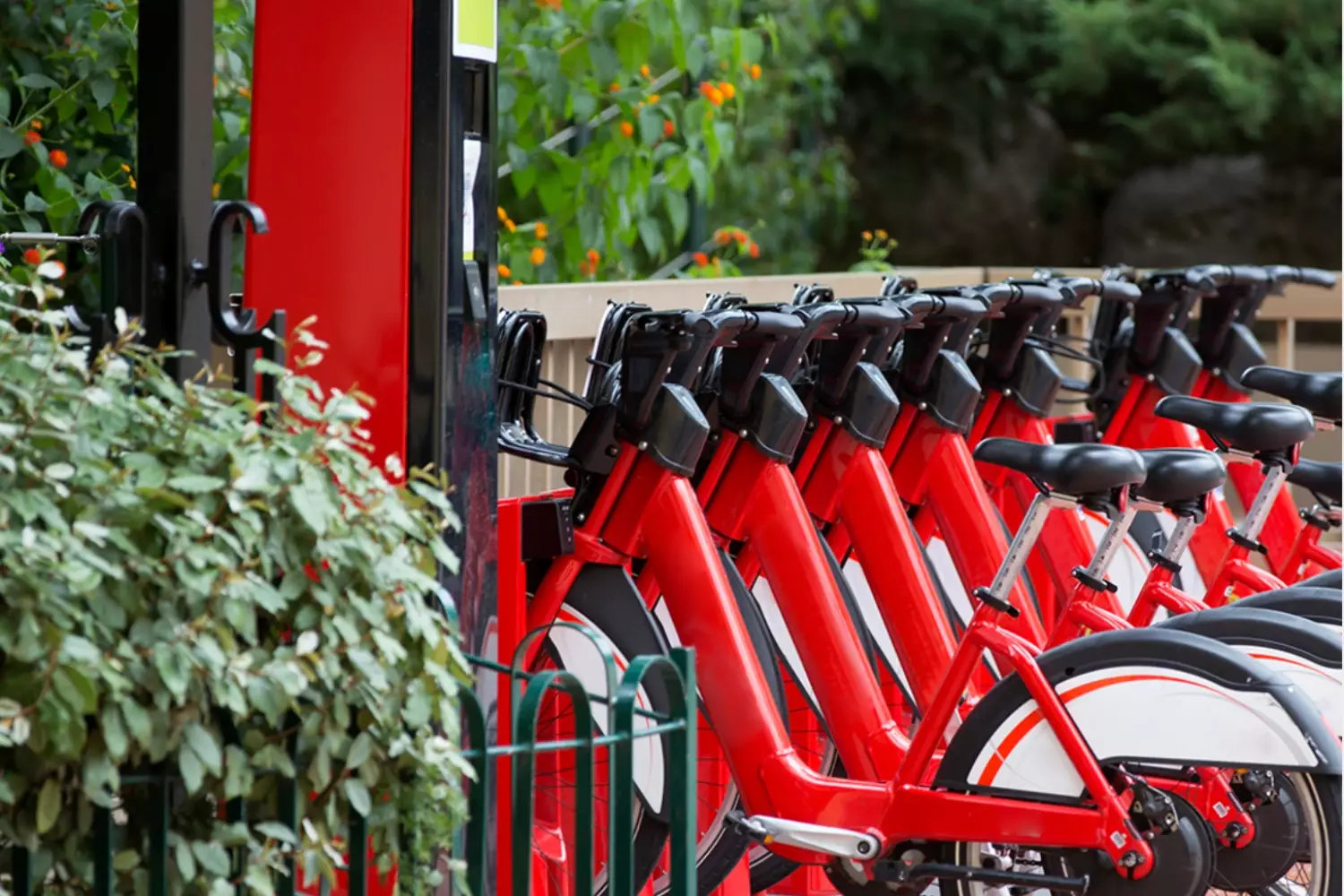
The MonaBike service has become a staple in Monaco. With a fleet of electric-assisted bicycles, it provides a flexible alternative to cars for daily urban trips or occasional rides.
Traffic regulations evolved in May 2023 with a new government framework aimed at securing and promoting bicycle use in Monaco.
Since this reform, cyclists and personal mobility device (PMD) users are allowed to use bus lanes, provided they do not exceed 25 km/h. Helmet use is mandatory for those under 18 and recommended for all riders.
The Compagnie des Autobus de Monaco (CAM) network is evolving as well: electric and hybrid buses are gradually being introduced, and new shared services such as car-sharing or electric boat-buses complement the offering.
This fits into a broader objective of smooth mobility: fewer private cars, more collective usage, and better interconnection between modes. The integration of the “Monapass” app unifies bike, bus, parking, and car-sharing services in a single interface.
However, some users note that while buses are reliable in the morning, congestion persists in the evening, encouraging the use of soft alternatives.
Monaco is also betting on walking: pedestrian and shared zones are multiplying, particularly around the historic center and the coastline. This transformation aims to reduce car dependency, encourage soft mobility (walking, cycling, scooters), and improve accessibility for all.
For residents, prospective buyers, or even investors, Monaco’s shift toward soft mobility reshapes the perception of neighborhoods.
Until recently, proximity to parking or road access were essential criteria in property searches. Today, these priorities are evolving. Being able to move on foot, by bike, or by electric bus without relying on a car is now a real advantage in terms of comfort and quality of life.
Areas benefiting from new cycling or pedestrian infrastructure, such as Larvotto, Port Hercule, or connections to Fontvieille, offer a calmer living experience: less noise, less traffic, more greenery.
Monaco’s approach brings multiple benefits: improved air quality, reduced noise, smoother urban flows, and increased real estate value for well-served areas. Yet some challenges remain: Monaco’s limited space, steep terrain, and parking management are still critical issues.
This shift directly benefits real estate: apartments located near these “green” routes increase in appeal, particularly to an international clientele sensitive to environmental criteria and urban convenience.
In a dense territory like the Principality, where every square meter counts, pedestrianization and electric mobility initiatives literally redraw the map of real estate value.A property near a secured bike route, a MonaBike station, or an electric bus stop becomes not only more enjoyable to live in, but also easier to rent and more sustainable to capitalize on over time.
In the long term, this approach contributes to a new form of “Monaco luxury”: fluidity.Being able to do everything without a car, move quietly, and breathe cleaner air in the heart of the city becomes a symbol of modernity and urban well-being, as much as a lever for sustainable investment.
In Monaco, soft mobility is no longer just a slogan: it is becoming a tangible urban strategy. Projects such as bike lanes, electric fleets, car-sharing, and pedestrianization converge toward a clear goal: making the Principality a smoother, greener, and more livable city. For residents and real estate investors alike, this transformation is particularly significant.
An apartment or villa with easy access to these new modes of transport gains in both value and quality of life.
The MonaBike service offers around 350 electric bicycles across several stations in the Principality.
Yes. Bicycles and certain personal mobility devices (PMDs) are allowed to circulate on bus lanes and bike lanes.
The CAM network has already introduced electric and hybrid buses, with a medium-term goal of a cleaner fleet.
Not yet, but several areas are either equipped or undergoing transformation to promote walking and limit car traffic.
Because a property located near soft mobility infrastructure offers a dual advantage: better quality of life for the occupant and potentially higher resale or rental value.
Literally, the project « MareTerra » for sea and earth could not better bear its name. This immense construction represents a technological marvel, especially given the constraints. It, that shall be delivered...
In Monaco, housing has been a national priority for several years. It is considered a major social issue essential to ensuring the quality of life for monegasque families. The Princely Government has undertaken...
In Fontvieille, the Chemin des Sculptures Garden is entering a new stage of its evolution. Already recognized as a unique space combining contemporary art and nature, this emblematic site in Monaco is...

This site is protected by reCAPTCHA and the Google Privacy Policy and Terms of Service apply.
