Renting in Monaco means settling in one of the most sought-after Principality in the world. The Monegasque rental market attracts an international clientele every year, drawn by political stability, safety and an unmatched quality of life in Europe. But it is also a highly regulated market with its own rules, distinct districts and administrative procedures. This guide takes you step by step, from defining your budget to taking possession of the keys.
In Monaco, housing demand permanently exceeds available supply. Rental properties are leased very quickly, often within just a few days. According to IMSEE, the Monegasque real estate market recorded 493 transactions in 2025, for a total value of €5.9 billion.
This strong activity on the sales market maintains equivalent pressure on rental prices. To succeed in your search, you need to anticipate, prepare your application in advance, and be able to move quickly as soon as a suitable property becomes available.
Before starting your search, you need to know that there are three types of housing in Monaco, governed by very different rules.
The free sector is accessible to anyone, regardless of nationality. The landlord freely sets the rent and lease conditions, within the framework of the Civil Code and Law No. 1.329 of 8 January 2007.
The protected sector under Law No. 1.235 applies to housing built before 1 September 1947. It is reserved for Monegasque nationals, “children of the country,” spouses of Monegasques, and residents who have lived in the Principality for more than 40 uninterrupted years.
The sector under Law No. 887 also applies to older buildings, with broader eligibility criteria for certain long-term residents and workers in the Principality. For a foreign tenant or a recent resident, the free sector applies in almost all cases. To understand in detail the eligibility conditions and application process, consult our dedicated guide: Renting under Law No. 887 in Monaco: how to qualify?
The first step before any viewing is to define your monthly budget precisely. Rents in Monaco are among the highest in the world, directly linked to property prices. According to the IMSEE Real Estate Observatory 2025, the average price per square metre stands at €57,569 across all transactions in 2025, with levels reaching €65,602 per m² for properties built since 2020. This exceptional valuation of the property stock is directly reflected in rental prices.
In Monaco, solvency and compliance requirements are particularly strict. An incomplete application is enough to reject a candidate, even with a strong financial profile. Before starting your property viewings, gather the following documents: a valid passport copy, current proof of address, recent proof of income (bank statements, salary slips or tax declarations depending on your situation), and professional references. A cover letter explaining your rental project also strengthens your application.
All documents must be available in both digital and paper formats, and translated if necessary. The goal is to be able to position yourself on a property within 24 hours as soon as an opportunity arises.
Beyond supporting documents, Monegasque landlords require strong financial guarantees. A security deposit equivalent to several months’ rent is requested upon signing. A bank guarantee letter may also be required depending on the tenant’s profile and the landlord’s requirements. It is therefore recommended to open a bank account in Monaco at the beginning of your process. This simplifies rent payment procedures and reassures the landlord regarding the stability of your financial flows.
In Monaco, a large share of rental properties are not listed on public platforms. They circulate within networks of licensed real estate agencies before ever becoming publicly visible. Working with a specialised agency gives you access to a broader offer, including so-called “off-market” properties, and ensures support with administrative procedures after signing.
Discover now the apartments available for rent in Monaco.
It is also worth noting that most rental apartments in Monaco are unfurnished: this cost should be included in your overall relocation budget.
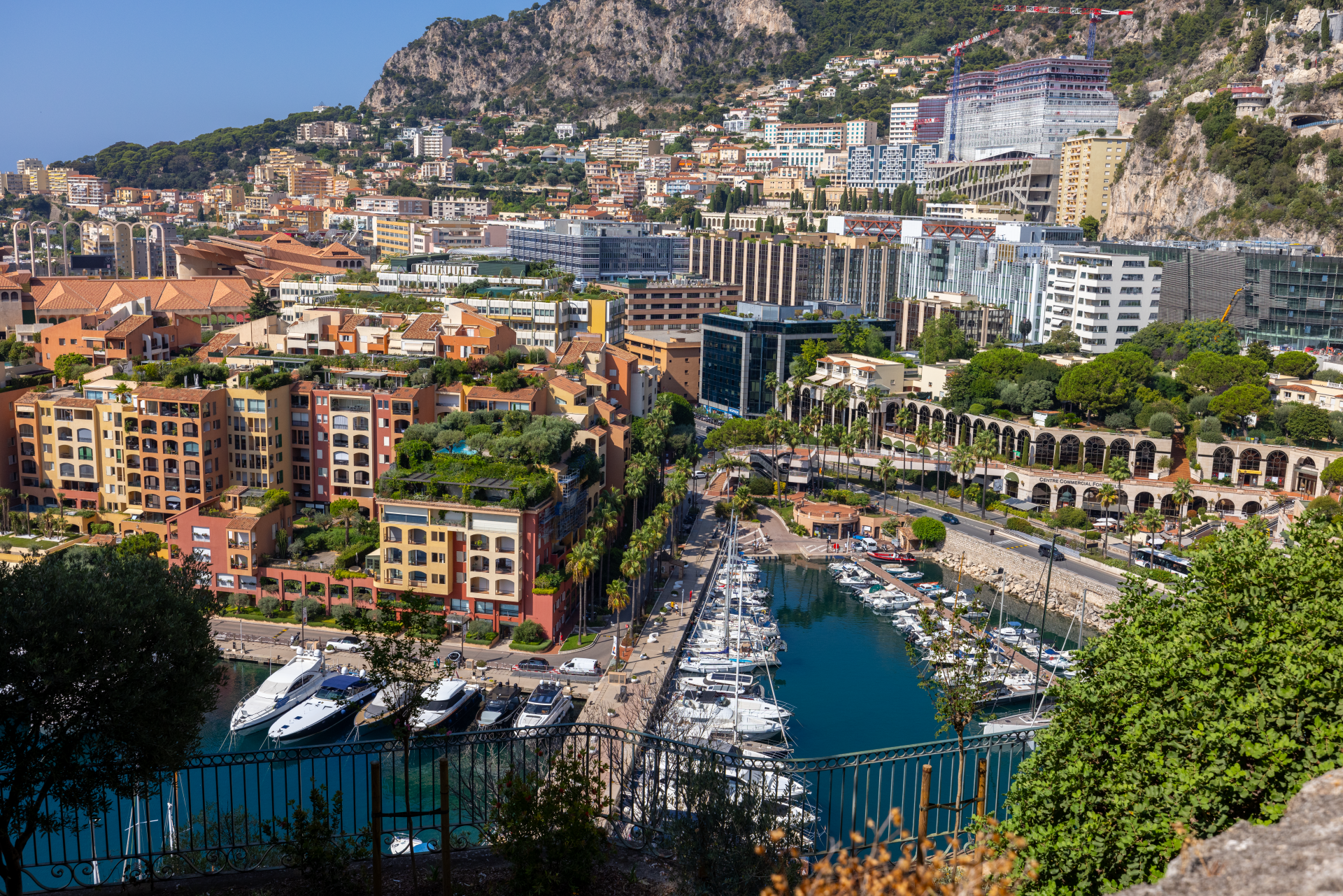
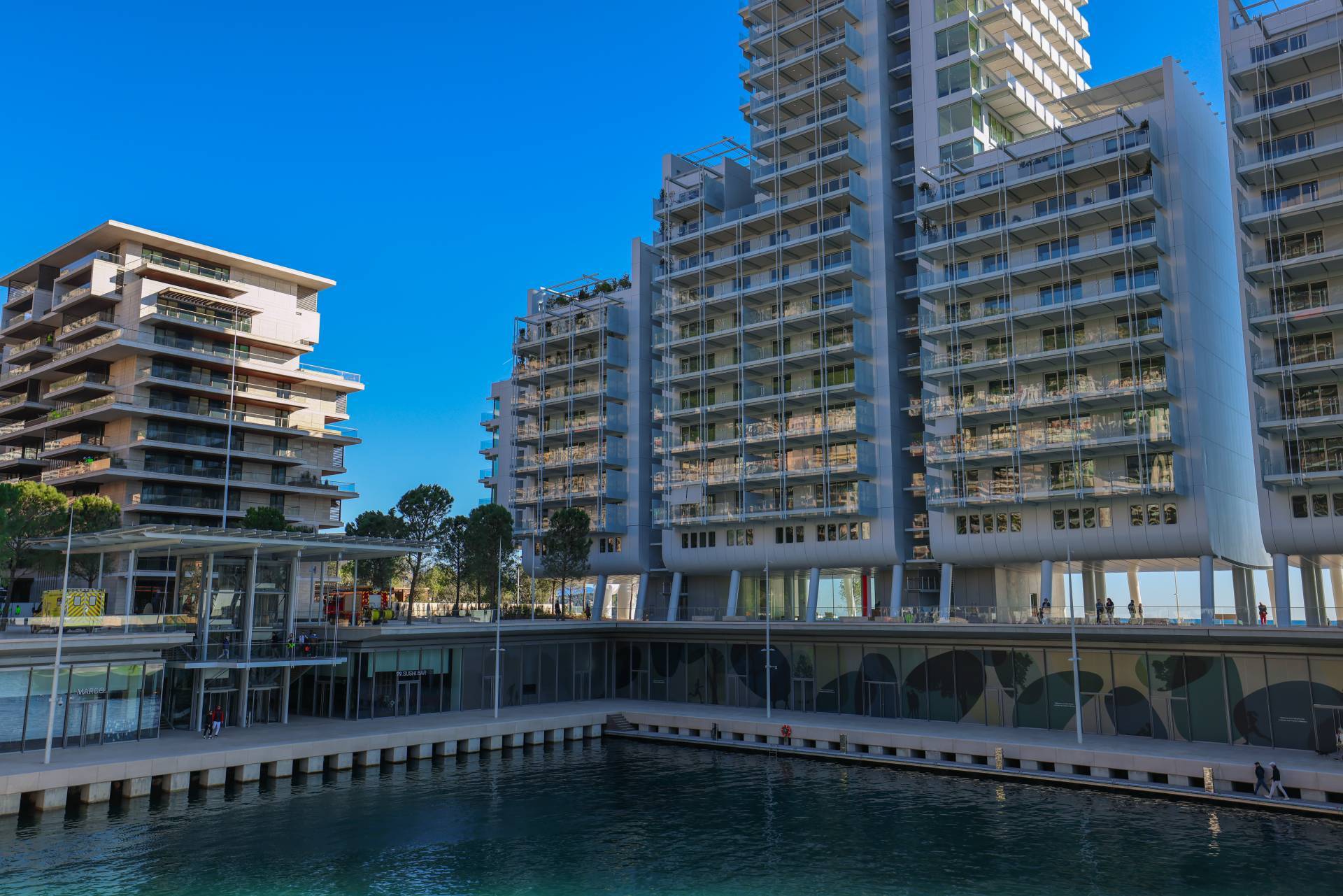
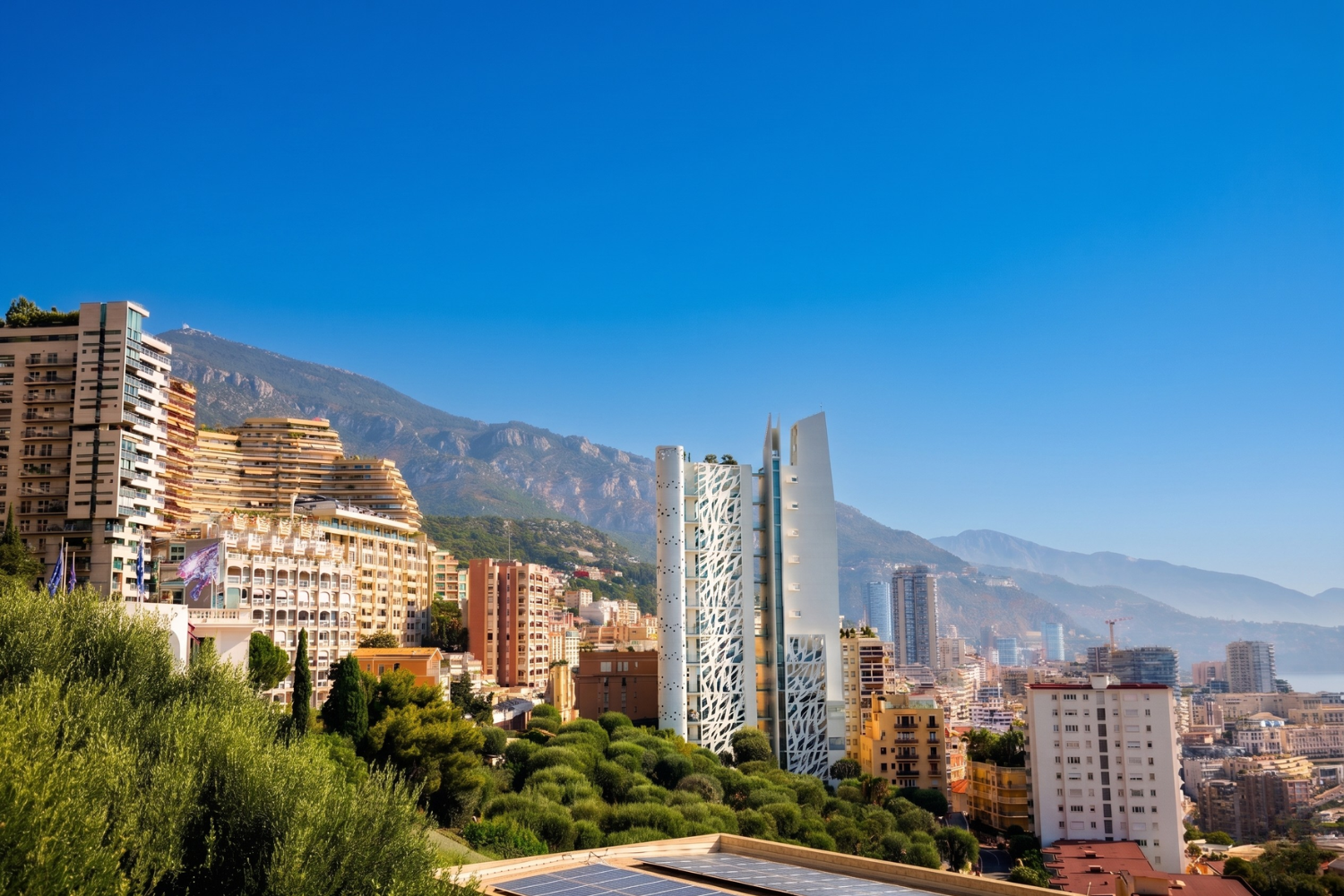
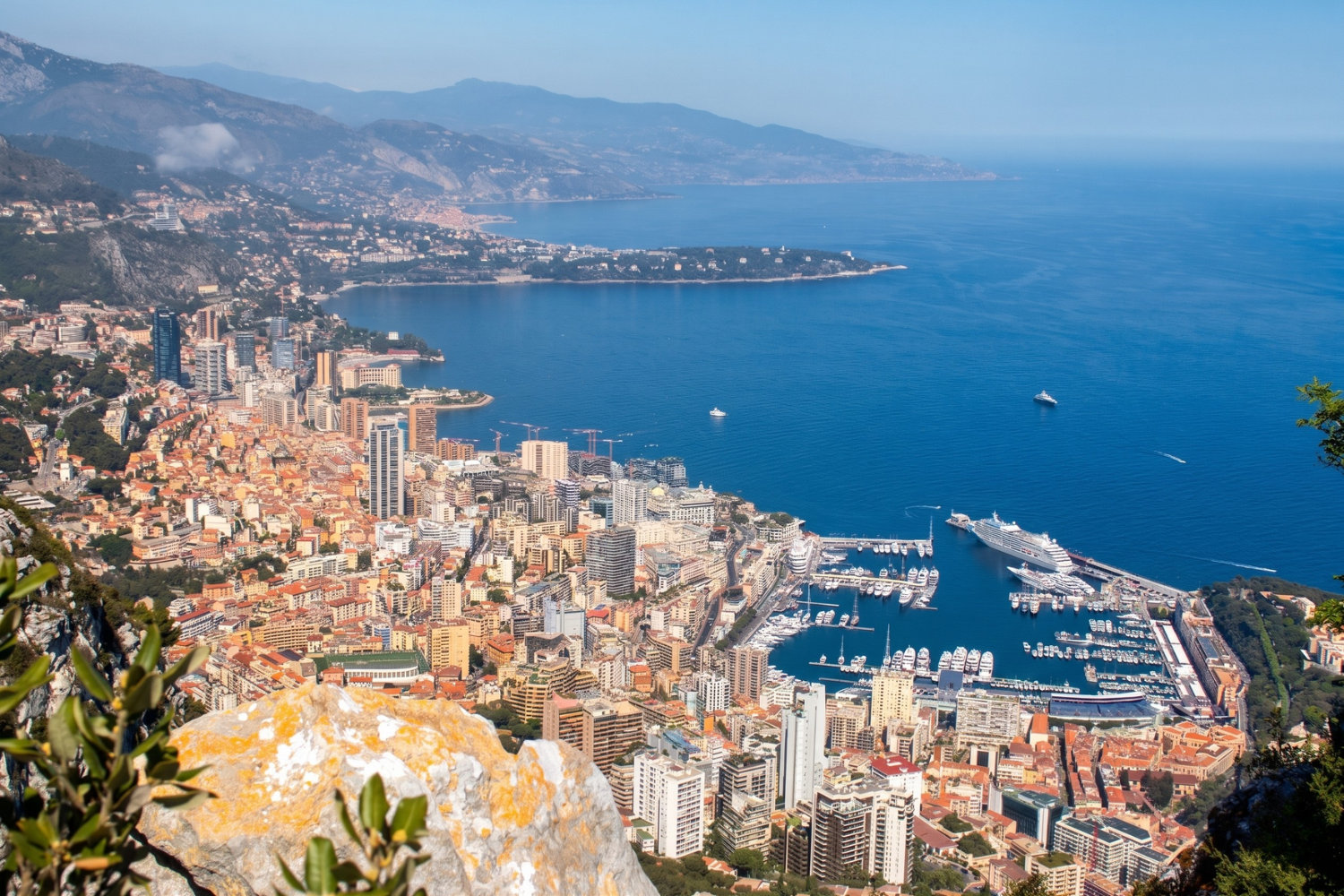
The neighborhood you choose shapes your daily life far beyond price alone.
Whatever your choice, all parts of the Principality are accessible on foot or within a few minutes, making this decision less restrictive than it may seem.
Once an apartment is identified, the agency prepares a rental offer which serves as a preliminary agreement. You sign it and it is then submitted to the landlord for acceptance. This document sets out the key elements of the future lease: identity of the parties, property description, rent amount, lease duration, and indexation clause.
In the free sector, the usual lease duration is one to three years, renewable. For properties under the protected sector governed by Law No. 1.235, the minimum duration is six years with automatic renewal, and the tenant may terminate annually on the contract anniversary date with three months’ notice. To understand all renewal conditions and termination terms depending on your lease type, consult our dedicated guide.
Once the offer is accepted, you pay the first rent, the security deposit, and agency fees. You must also take out home insurance before handover of the keys: this is a legal requirement in the Principality.
All leases in Monaco must be registered with the Registration Service of the Direction des Services Fiscaux. This is a non-negotiable formality that conditions the legal validity of the contract. Once the lease is registered, you have an official copy which constitutes your proof of residence in the Principality.
Accompanied by an electricity contract signed with SMEG and a bill, this document allows you to start other administrative procedures: opening a Monegasque bank account and, where applicable, applying for a residence permit. For details on the costs related to this registration, consult our guide on rental fees in Monaco.
The move-in inspection is carried out at the time the keys are handed over, in the presence of the real estate agency. It consists of a detailed inventory of the condition of the property and, in the case of a furnished apartment, of the furniture present. This document is signed by both the tenant and the landlord, and a copy is given to each party.
In some cases, the landlord may require the presence of a bailiff (huissier de justice) to carry out the inspection, especially when the property features high-end finishes. The bailiff’s fees are then borne by the incoming tenant. Keep this document throughout your tenancy: it will serve as a reference for the move-out inspection and determines the return of your security deposit.
As a tenant in Monaco, you are subject to a strict contractual framework. You are required to keep the property in good condition and maintain the equipment provided. Repairs that are not the result of normal wear and tear remain your responsibility. Condominium charges, which include concierge services and maintenance of common areas, are paid together with the rent on a quarterly basis. Upon departure, the security deposit is refunded within two months after the return of the keys, minus any repair costs identified during the move-out inspection.
Renting an apartment in Monaco does not automatically grant the right to officially reside there. These are two independent procedures. Renting is open to everyone in the free sector, whether resident or not. However, if you wish to live in the Principality for more than three consecutive months, a residence permit application is required from the Sûreté Publique. A registered lease of at least 12 months is the housing requirement needed to start this process.
To understand in detail whether you can rent in Monaco without being a resident, and what conditions apply to your profile, consult our dedicated guide: Renting in Monaco without being a resident: is it possible ?

This site is protected by reCAPTCHA and the Google Privacy Policy and Terms of Service apply.