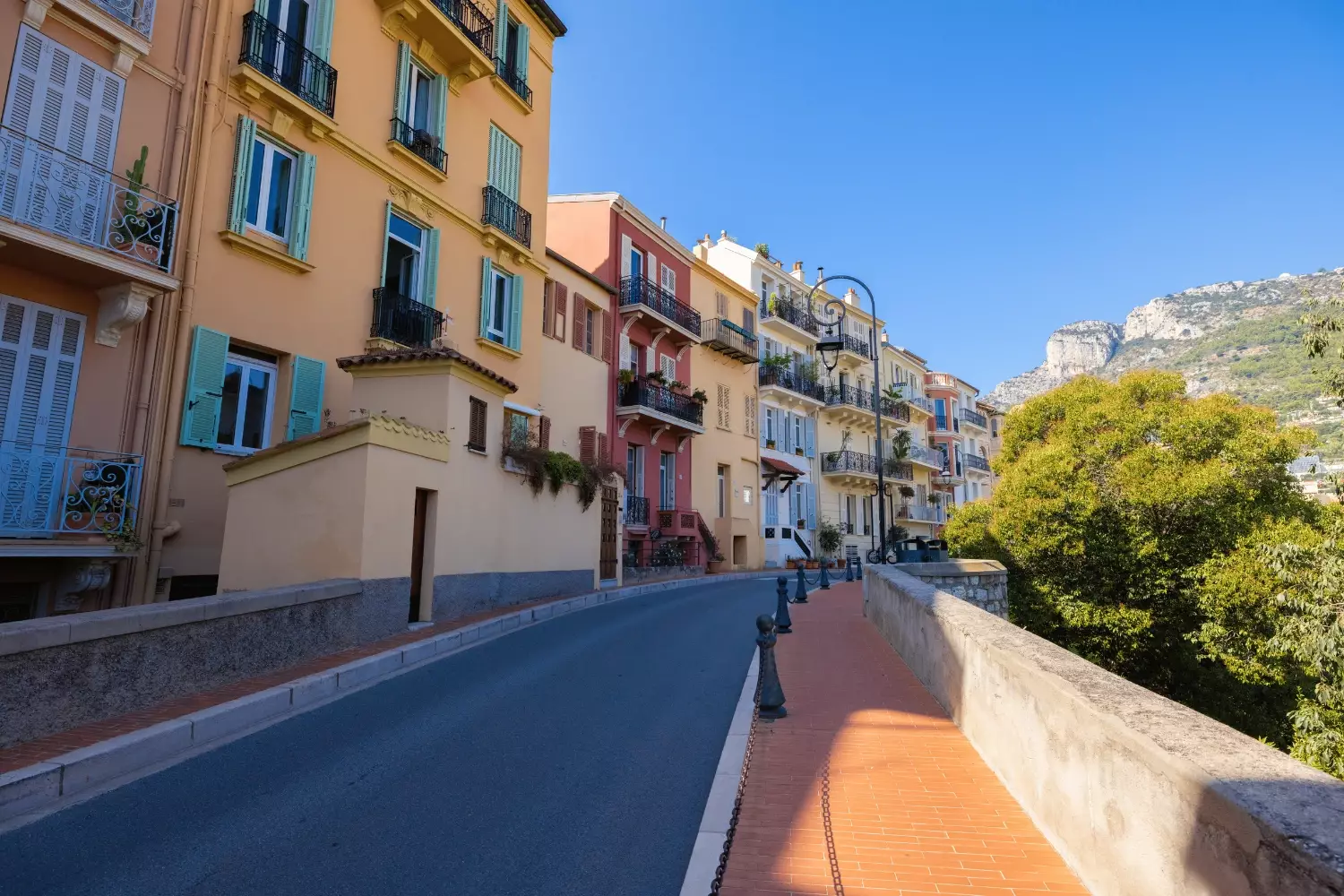
For decades, the profession of property dealer in Monaco embodied a rare form of opportunity within European real estate. On a tiny territory but with exceptional land value, some investors were able to generate particularly high margins by capitalizing on the constant tension between limited supply and international demand. But today, signals are changing. The market remains strong, but the rules of the game have profoundly evolved.
The success of property dealers in Monaco is above all based on an immutable factor: land scarcity. With a constrained territory and global attractiveness, every square meter becomes a strategic asset. This structural tension long allowed investors to carry out quick operations, sometimes with limited works, while benefiting from an almost automatic revaluation of the asset.
Data published by IMSEE confirms this dynamic, with prices per square meter among the highest in the world. This constant appreciation has maintained a virtuous cycle for property dealers, who could buy, transform, and resell within relatively short timeframes.
To this scarcity is added an extremely favorable tax framework, attracting a high-spending international clientele. Monaco benefits from political stability, recognized security, and a premium image that reinforces real estate demand.
In this context, property dealers have long operated in a market where liquidity was strong and buyers numerous. Resale was not a major constraint, which secured operations.
According to analysis published by L’Observateur de Monaco, the main change concerns margin compression. Where some operations once generated very significant gains, acquisition costs have now reached such a level that they mechanically reduce profitability.
Entry prices have become extremely high, limiting opportunities. “Discounted” properties are increasingly rare, and when they do exist, they are immediately identified by multiple actors, intensifying competition. This situation forces dealers to be more selective and to accept sometimes less spectacular returns.
The era of simple operations is fading. Projects now require heavier works, more ambitious transformations, and greater technical mastery. Buyers expect flawless properties, both aesthetically and functionally.
This upmarket shift implies additional costs, but also more precise management of timelines and risks. Forecasting errors can have a significant impact on the overall profitability of a project.
The Monaco market now attracts more structured investor profiles. Family offices, international funds, and experienced developers position themselves on operations that were once accessible to independent dealers.
This evolution profoundly changes market balance. The most attractive opportunities are often captured upstream by players with strong networks and significant financial capacity. For independents, access to good deals becomes more complex.
Faced with increased competition, the profession of property dealer is transforming. It is no longer just about identifying an opportunity, but about building a real investment strategy.
Successful players are those who master the entire value chain: acquisition, legal structuring, works supervision, product positioning, and resale strategy. This global approach is becoming essential to remain competitive.
Despite these developments, Monaco remains one of the most attractive real estate markets in the world. International demand does not weaken, driven by a clientele seeking security, stability, and prestige.
High-quality properties always find buyers, sometimes even before being listed on the market. This dynamic continues to support property dealer activity, provided that products are perfectly aligned with current expectations.
Projects such as Mareterra illustrate Monaco’s ability to renew itself. This type of development brings new supply, often ultra-premium, which redefines market standards.
For property dealers, this represents both an opportunity and a challenge. It becomes necessary to align with ever higher levels of expectation, both in design and services.
It would be exaggerated to speak of a market collapse, but it is clear that certain practices now belong to the past. The era where it was possible to generate high margins with little transformation seems over.
The market has become more transparent, more competitive, and more demanding. Opportunities still exist, but they require greater expertise and preparation.
For experienced property dealers, this evolution ultimately represents a form of natural selection. The most structured actors, capable of anticipating trends and securing their operations, continue to perform.
The profession is evolving toward a model closer to that of a full real estate operator, integrating strategic vision, technical mastery, and financial capacity.
The property dealer market in Monaco is not weakening; it is deeply transforming. The golden age is not necessarily over, but it is changing shape.
Profitability is still present, but it must be earned more. In a more competitive and demanding environment, only adaptable players will continue to stand out.
Yes, but profitability now strongly depends on the quality of operations and the level of expertise. Margins are lower than before but remain attractive for well-positioned actors.
Because the conditions that allowed quick and high gains are becoming rarer. The market is more competitive, purchase prices are higher, and operations are more complex.
No, it remains very dynamic. International demand continues to support prices, but the market has become more selective.
We are seeing the arrival of investment funds, family offices, and structured developers with significant financial resources and networks.
Access to good opportunities, mastery of renovation projects, a high-end positioning strategy, and financial solidity are essential.
Monaco Real Estate Market : How to Buy and Rent property? Monaco is a dream destination. With its exceptional lifestyle, attractive tax regime, and prestigious real estate market, the Principality draws...
Saint-Jean-Cap-Ferrat confirms its status among the most exclusive addresses in the European property market. In 2026, some exceptional properties located directly on the waterfront can command prices...
Early Constructions and the Birth of an Exceptional Market Monaco’s real estate development took shape as early as the late 19th century, particularly around the Casino de Monte-Carlo. The creation of...

This site is protected by reCAPTCHA and the Google Privacy Policy and Terms of Service apply.
